
Racial trauma the hidden wounds of PTSD
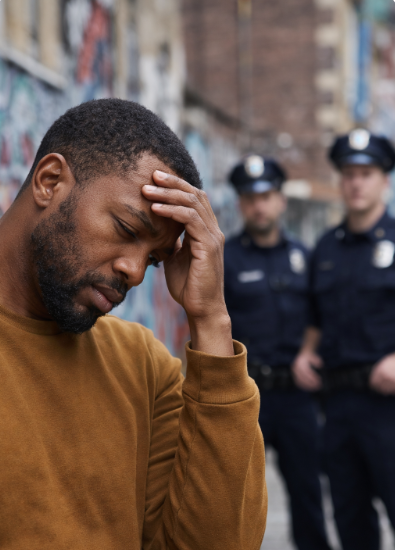
Racial trauma is a psychological and emotional injury caused by experiences of racism, discrimination, or systemic inequality. While trauma is often associated with a single catastrophic event, racial trauma is frequently cumulative. It builds over time through repeated exposure to bias, exclusion, microaggressions, or direct acts of hostility. These experiences can deeply affect a person’s sense of safety, identity, and belonging, and in many cases, they can lead to symptoms that mirror Post Traumatic Stress Disorder, commonly known as PTSD.
Understanding Racial Trauma
Racial trauma occurs when someone experiences or witnesses racial discrimination that overwhelms their ability to cope. This can include overt incidents such as verbal attacks, physical violence, or workplace discrimination. It can also include subtle but persistent experiences like being treated as suspicious, being overlooked, or constantly having to prove one’s competence.
Unlike isolated trauma, racial trauma often exists within a broader social context. It is reinforced by systems, policies, media portrayals, and community attitudes. Because of this, the stress is not only personal. It can feel inescapable and ongoing.
How Racial Trauma Creates PTSD Symptoms
PTSD is typically associated with life threatening events such as accidents, assaults, or war. However, research increasingly shows that chronic exposure to racism can activate the same stress responses in the brain and body.
Here are some of the ways racial trauma can produce PTSD symptoms:
Hypervigilance
Individuals who have experienced repeated discrimination may become constantly alert to potential threats. They may scan environments for signs of bias or hostility. This heightened awareness can lead to exhaustion, anxiety, and difficulty relaxing.Intrusive Thoughts
Painful experiences related to racism can replay in the mind. A person might relive a humiliating incident at work or recall a threatening encounter in public. These intrusive memories can disrupt concentration and sleep.Avoidance
To protect themselves, individuals may avoid places, conversations, or situations that remind them of previous discrimination. Over time, this avoidance can limit opportunities, relationships, and personal growth.Emotional Numbing
Some people cope by shutting down emotionally. They may feel detached, disconnected, or unable to experience joy. This numbness can strain relationships and increase feelings of isolation.Negative Beliefs About Self or World
Repeated exposure to racism can distort self perception. A person might internalize harmful stereotypes or develop deep mistrust toward institutions and communities. These beliefs can contribute to depression and hopelessness.
The Physical Impact
The body does not distinguish between types of threat. When someone experiences racism, their nervous system can enter a fight, flight, or freeze response. Stress hormones increase heart rate and blood pressure. When this happens repeatedly, it can contribute to long term health concerns such as hypertension, sleep disorders, and weakened immunity.
This chronic activation of the stress response helps explain why racial trauma can have effects that are both psychological and physical.
Why Racial Trauma Is Often Overlooked
Racial trauma is sometimes minimized because it may not involve a single dramatic event. People may be told they are overreacting or being too sensitive. This invalidation can intensify distress and prevent individuals from seeking help.
Additionally, traditional diagnostic frameworks have not always accounted for the cumulative nature of discrimination. As awareness grows, mental health professionals are increasingly recognizing racial trauma as a legitimate and serious source of psychological harm.
Pathways Toward Healing
Healing from racial trauma involves both personal and systemic efforts. On an individual level, trauma therapy that acknowledges and validates racial experiences can be transformative. Culturally responsive counseling creates space to process anger, grief, fear, and resilience without judgment.
Community support also plays a powerful role. Connecting with others who share similar experiences can reduce isolation and foster empowerment.
On a broader level, addressing systemic inequality is essential. Reducing racism in institutions, workplaces, schools, and healthcare systems is not only a social justice issue. It is also a public health priority.
Racial trauma is real. Its impact on mental health can be profound, and for many individuals, it can produce symptoms consistent with PTSD. Recognizing this connection is a crucial step toward compassion, appropriate treatment, and meaningful change.
By understanding how racism affects the mind and body, we move closer to creating environments where healing is possible and where dignity and safety are not privileges, but rights.